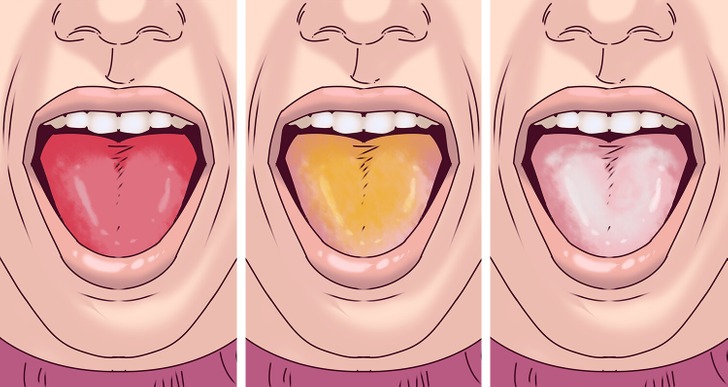

Our tongue is more than just a muscle for tasting food and helping with speech; it can also be a useful indicator of our overall health. While many of us may not give much thought to the color, texture, or appearance of our tongue, certain changes can offer valuable clues about underlying health issues. Understanding what your tongue might be signaling can help you catch potential health problems early.
In this article, we will explore the various ways your tongue can change in color and texture, and what these changes could mean for your health. Please note that this article is for informational purposes only and should not replace professional medical advice.
The Color of Your Tongue and What It Means
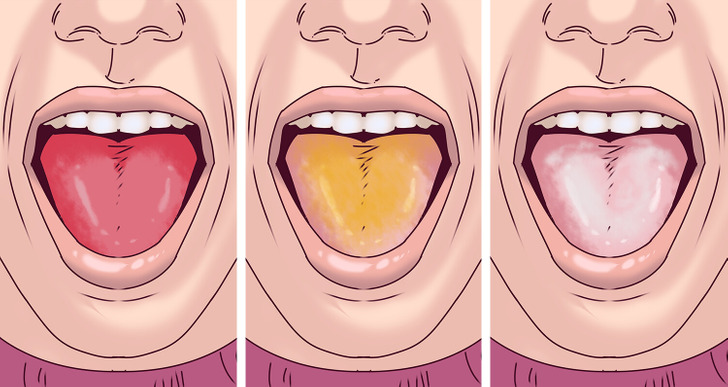
A healthy tongue typically has a light pink color, and its surface is smooth with a thin white coating. However, if you notice any significant changes, it may be time to pay attention. Here are some of the common color changes that can occur:
1. White Tongue
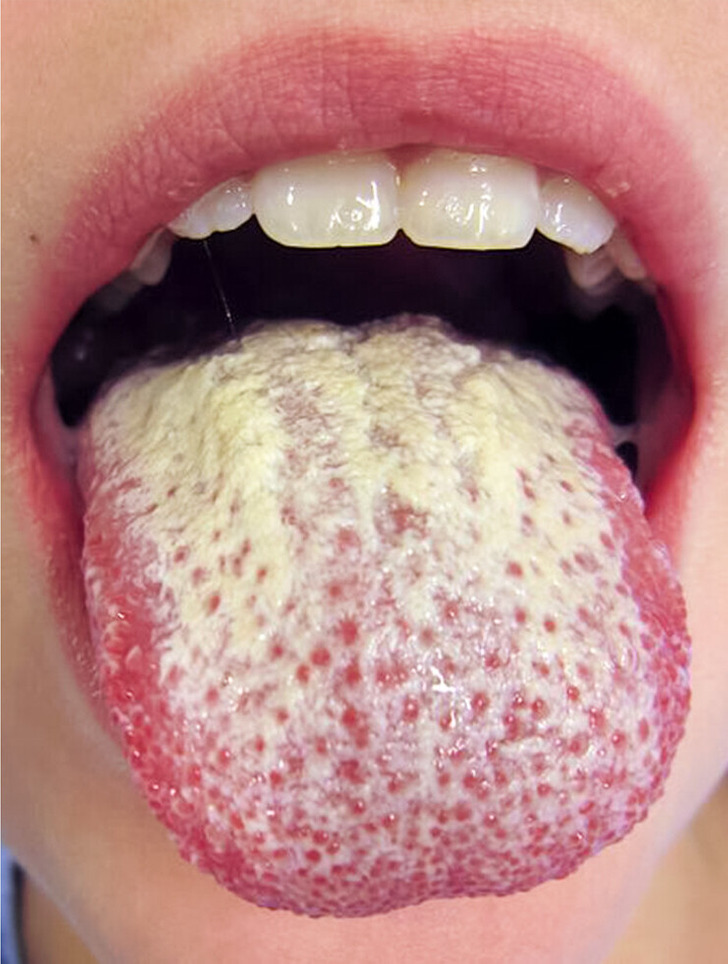
A white coating on your tongue can appear as a full covering, patches, or spots. It may also be accompanied by an unpleasant odor or taste in the mouth. This coating consists of dead cells, bacteria, food particles, and sometimes, organic matter that can build up on the surface of the tongue.
Common causes of a white tongue include:
-
Oral Thrush (Candidiasis): A fungal infection caused by Candida, this condition often appears as white, cottage cheese-like patches on the tongue. It is most common in infants, the elderly, and those with weakened immune systems. Oral thrush can also occur after a course of antibiotics.
-
Leukoplakia: A condition where thick, white patches form inside the mouth, often on the tongue. Leukoplakia is most commonly seen in people who smoke or use tobacco products.
-
Geographic Tongue: This condition causes the appearance of irregular patches on the tongue that are lighter or whiter than the surrounding tissue. Its cause is unknown, but it may be triggered by stress or certain foods.
-
Poor Oral Hygiene: If you don’t maintain proper oral hygiene, bacteria and food particles can accumulate on the tongue, leading to a white appearance.
If the white coating on your tongue persists for several days or is accompanied by pain or discomfort, it’s important to consult a healthcare professional for a proper diagnosis.
2. Yellow Tongue
A yellow tongue is often associated with liver problems. It may indicate that the liver is struggling to function properly, which can lead to the accumulation of toxins in the body. This could also be a sign of digestive issues, such as acid reflux or a bacterial infection.\

Sometimes, a yellow tongue can simply be the result of consuming too many staining foods and drinks, such as coffee, tea, or tobacco.
3. Red Tongue

A bright red tongue can be a sign of several potential health issues:
-
Vitamin Deficiencies: A red tongue, especially at the tip, may indicate a deficiency in vitamin B12 or iron.
-
Scarlet Fever: This bacterial infection, caused by streptococcus bacteria, can cause a red, sore throat and a red, bumpy tongue (also known as “strawberry tongue”).
-
Allergic Reactions: In some cases, allergies can cause the tongue to become red and swollen.
If the redness is persistent and accompanied by other symptoms, it’s advisable to seek medical advice.
4. Brown Tongue
A brownish tongue often results from consuming too much coffee, tea, or certain foods that can stain the tongue. However, it can also be a sign of poor oral hygiene or smoking.
Additionally, a brown tongue can be a sign of a fungal infection or a condition known as Black Hairy Tongue, where the filiform papillae (small bumps on the tongue) become elongated and collect bacteria and debris.
5. Blue or Purple Tongue
A blue or purple tongue can indicate a lack of oxygen in the blood. This condition is often related to respiratory or circulatory problems, such as lung disease or heart failure. If your tongue has a bluish tint, it’s important to seek immediate medical attention, as this could be a sign of a serious condition.
What Causes Changes in Tongue Color?

Changes in the color of your tongue can result from various factors, ranging from diet and lifestyle to underlying health conditions. Below are some common causes of tongue discoloration:
-
Dietary Habits: Foods and beverages like coffee, tea, red wine, and curry can stain the tongue, leading to a yellow or brown appearance.
-
Dehydration: Insufficient water intake can cause a dry mouth and tongue, leading to the accumulation of bacteria and the appearance of a white coating.
-
Smoking and Alcohol Consumption: Both smoking and excessive alcohol consumption can irritate the tongue and lead to changes in its color.
-
Medication Use: Some medications, especially antibiotics or steroids, can affect the balance of bacteria in the mouth, leading to a white or yellow tongue.
-
Underlying Health Conditions: Liver problems, digestive issues, infections, and vitamin deficiencies can all contribute to changes in tongue color.
How to Maintain a Healthy Tongue and Oral Hygiene

To keep your tongue healthy and avoid unpleasant discoloration, it’s important to practice good oral hygiene. Here are some tips for maintaining a healthy tongue:
-
Brush Your Tongue: Use a soft toothbrush or a tongue scraper to gently clean the surface of your tongue every time you brush your teeth.
-
Hydrate: Drink plenty of water throughout the day to keep your mouth hydrated and to wash away food particles and bacteria.
-
Use Mouthwash: Use a mild, alcohol-free mouthwash to help kill bacteria and freshen your breath.
-
Quit Smoking: Smoking can stain your tongue and contribute to other oral health issues. Quitting can improve the health and appearance of your tongue.
-
Eat a Balanced Diet: Ensure your diet includes plenty of fruits, vegetables, and foods rich in vitamin B12 and iron to support overall health.
When to See a Doctor

If you notice persistent changes in the color of your tongue or if the changes are accompanied by pain, difficulty eating or swallowing, or other unusual symptoms, it’s essential to consult with a healthcare provider. In some cases, a tongue with abnormal coloration can be a sign of a serious underlying condition that requires medical attention.
A doctor can help determine the cause of the discoloration and recommend appropriate treatments or lifestyle changes to improve your health.
Conclusion
Your tongue can provide important insights into your overall health. Changes in its color or appearance may be harmless, but they can also be indicative of an underlying health issue. By paying attention to these changes and practicing good oral hygiene, you can help ensure the health of your tongue and detect potential problems early.
As always, if you notice persistent or unusual changes in your tongue, don’t hesitate to consult a healthcare professional for advice.
Sources: